


Maintaining Your Tools with Care: Essential Tool Maintenance Tips
Keeping your tools in top shape is key to getting the job done right every time.
Maintaining your tools with care saves time down the line.
Whether you’re working on a farm, in a workshop, or tackling a DIY project, well-maintained tools save you time, money, and frustration. I’ve learned that a little care goes a long way. Let me share some practical tool maintenance tips that will help you extend the life of your gear and keep everything running smoothly.
Why Tool Maintenance Tips Matter
Tools are an investment. When you take care of them, they perform better and last longer. Neglecting maintenance can lead to rust, dull blades, and even dangerous malfunctions. Plus, fixing or replacing tools costs more than a bit of regular upkeep.
Here’s what I focus on:
Cleaning tools after use
Proper storage
Regular inspections
Sharpening and lubrication
These simple steps keep your tools ready for action and help you avoid downtime.
Essential Tool Maintenance Tips You Can Start Today
Let’s dive into some easy-to-follow tips that you can apply right now.
1. Clean Your Tools After Every Use
Dirt, grease, and moisture are the enemies of your tools. After each job, wipe down your tools with a clean cloth. For stubborn grime, use a mild detergent and water, then dry thoroughly. Avoid leaving tools wet as this causes rust.
For power tools, use compressed air to blow out dust and debris from vents and moving parts. This keeps motors cool and prevents damage.
2. Store Tools Properly
Where you keep your tools matters. Store them in a dry, cool place away from moisture. Use toolboxes, racks, or pegboards to keep everything organised and off the floor.
For larger equipment, consider protective covers or cases. This prevents dust buildup and accidental damage.
3. Inspect Tools Regularly
Make it a habit to check your tools before and after use. Look for:
Cracks or chips in handles
Loose screws or bolts
Worn or dull blades
Frayed cords on power tools
Spotting issues early means you can fix them before they become bigger problems.
4. Sharpen Blades and Bits
Dull blades make work harder and less safe. Keep cutting tools like saws, chisels, and knives sharp. Use sharpening stones, files, or power sharpeners depending on the tool.
For drill bits, check the tips and sharpen or replace them as needed. Sharp bits drill cleaner holes and reduce wear on your drill.
Check out this link for several options of sharpeners https://tooline.co.nz/45-sharpeners
5. Lubricate Moving Parts
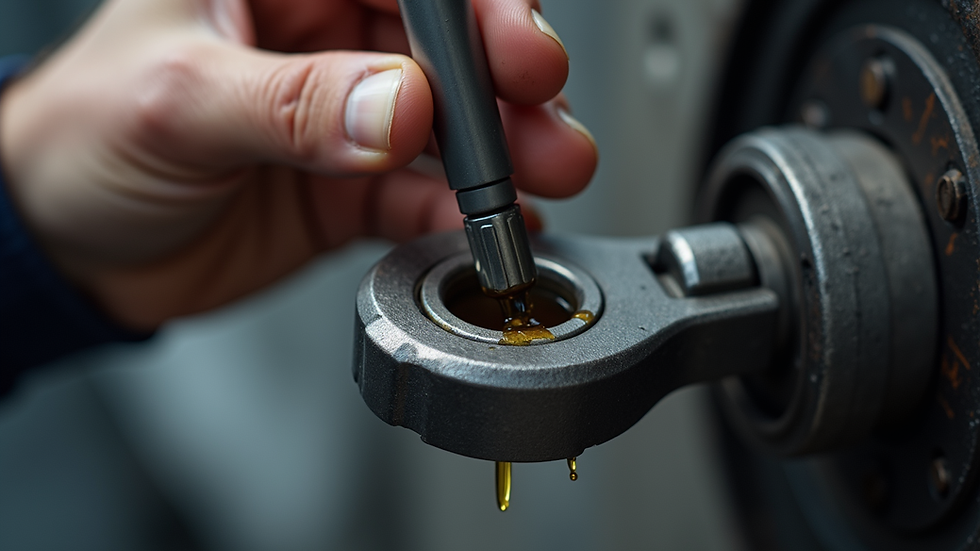
Lubrication reduces friction and wear. Apply oil or grease to hinges, joints, and bearings regularly. For power tools, follow the manufacturer’s recommendations on lubrication points.
Avoid over-lubricating as this can attract dust and dirt.
How to Handle Rust and Corrosion
Rust can sneak up on you, especially in damp environments. If you spot rust, don’t panic. Here’s how to tackle it:
We recommend the CRC range of rust convertors and Evaporust options that make this job much easier.
Visit their site for more info https://www.crc.co.nz/
For a more DIY approach use a wire brush or sandpaper to remove surface rust.
Apply a mixture of vinegar and baking soda for stubborn spots.
After cleaning, dry the tool completely.
Apply a thin coat of oil to protect the metal.
Regular cleaning and oiling prevent rust from forming in the first place.
Storing and Caring for Power Tools
Power tools need special attention. Besides cleaning and lubrication, here are some extra tips:
Store batteries separately in a cool, dry place.
Charge batteries according to the manufacturer’s instructions.
Keep cords untangled and check for damage.
Use protective cases or bags to avoid dust and impact damage.
Taking care of your power tools means they’ll be ready when you need them and last longer.

Where to Find Quality Tools and Supplies
Having the right tools and maintenance supplies is half the battle.
For those in Southland and Otago, come check out our little tool shop in Gore.
We offer a great range of tools and workshop essentials.
Supporting local suppliers means you get expert advice and friendly service tailored to your needs.
Keep Your Tools Ready for the Next Job
Maintaining your tools is not just about fixing problems. It’s about being prepared. When your tools are clean, sharp, and well-oiled, you can jump into any task with confidence.
Here’s a quick checklist to keep handy:
Clean tools after use
Inspect for damage regularly
Sharpen blades and bits
Lubricate moving parts
Store tools in a dry, organised space
Stick to this routine, and you’ll save time and money in the long run.
Your Tools Deserve a Little TLC
Taking care of your tools is easy and rewarding. It shows respect for your gear and helps you work smarter, not harder. Whether you’re fixing fences, building furniture, or tuning up machinery, well-maintained tools make all the difference.
So, roll up your sleeves and give your tools the care they deserve. You’ll notice the difference in every project you tackle.
Happy fixing!



Comments