


How to Choose the Right Welding Gear for Beginners in Southland or Otago.
Starting out with welding can feel overwhelming. There are many types of welding, as well as machines and gear to pick from. If you’re new to welding in Southland or Otago, getting the right equipment is key to working safely and producing good results.
Let's walk through the basics of welding types, machines, and how to choose the right welding gear that fits your needs.
Understanding Different Types of Welding and Machines
Welding isn’t one-size-fits-all. Different jobs call for different methods and machines. Here are the main types of welding you’ll come across:
1. MIG Welding (Metal Inert Gas)
MIG welding is popular for beginners because it’s easier to learn and works well on thin to medium metals. It uses a wire electrode fed through a gun and a shielding gas to protect the weld.
Best for: Car repairs, light fabrication, farm gear fixes.
Machine: MIG welders are usually compact and user-friendly.
Pros: Fast, clean welds, less skill needed.
Cons: Not great outdoors if windy, as gas can blow away - can be avoided by using gasless (flux core) mig wire but this will drop the quality of the weld - see No 4 for details
2. TIG Welding (Tungsten Inert Gas)
TIG welding offers precise, high-quality welds.
It uses a non-consumable tungsten electrode and shielding gas. It’s more technical and takes practice.
Best for: Stainless steel, aluminium, artistic or detailed work.
Machine: TIG welders allow fine control but are pricier.
Pros: Clean, strong welds, works on thin metals.
Cons: Slower, needs more skill., tungstens can be pricey.
3. Stick Welding (Shielded Metal Arc Welding)
Stick welding is a traditional method using a consumable electrode coated in flux.
It is also known as MMA or Arc welding.
It's versatile and works well outdoors.
Best for: Heavy steel, farm repairs, construction.
Machine: Stick welders are rugged and simple.
Pros: Works outside, on rusty or dirty metal.
Cons: More smoke, slag to clean.
4. Flux-Cored Welding - Gasless "Mig" Welding
Similar to MIG but uses a flux core wire instead of gas. Good for outdoor work and thicker metals.
Best for: Heavy fabrication, outdoor repairs.
Machine: Same as a standard mig but some models are only designed for gasless wire, however most good brands will have machines that are both gas and gasless.
Pros: No gas needed, good for windy conditions.
Cons: More smoke and slag.
Choosing the Right Welding Gear for Beginners
Picking gear depends on what you want to weld, where you’ll work, and your budget. Here’s what to consider:
Safety Gear
Safety is non-negotiable. Always get:
Welding helmet: Auto-darkening helmets protect your eyes and face. Look for one with adjustable shade settings.
Gloves: Thick, heat-resistant gloves keep your hands safe.
Clothing: Wear flame-resistant jackets or long sleeves. Avoid synthetic fabrics.
Boots: Steel-capped boots protect your feet from sparks and heavy objects.
Welding Machines
For beginners, I recommend starting with a machine that’s easy to use and suits your projects.
We are happy to help with choosing the right one for you, come in a have a chat and take away product information - we can even organise for someone to help set it up if you get stuck or have further questions.
Welding Accessories
Don’t forget these handy extras:
Welding clamps: Keep your workpieces steady.
Wire brushes: Clean metal before welding.
Chipping hammer: Remove slag after stick welding.
Where to Get Help and Supplies in Southland and Otago
Finding local support makes a big difference.
Gas and Tool Direct is a trusted supplier in Southland and Otago.
We offer a wide range of welding machines, safety gear, and consumables.
Plus, our mobile service means we can often come to your workshop or farm.
We're known for our advice and friendly service, which is great when you’re just starting out.
We don't ever judge and we will help anyone regardless of where they are on their Welding journey.

Tips for Beginners to Get Started
Practice on scrap metal: Before working on your main project, try welding on scrap pieces to get a feel for the machine.
Keep your gear clean: Regularly check and clean your welding equipment to avoid problems.
Work in a well-ventilated area: Welding fumes can be harmful, so make sure you have good airflow.
Ask for advice: Don’t hesitate to reach out to local suppliers or experienced welders for tips.
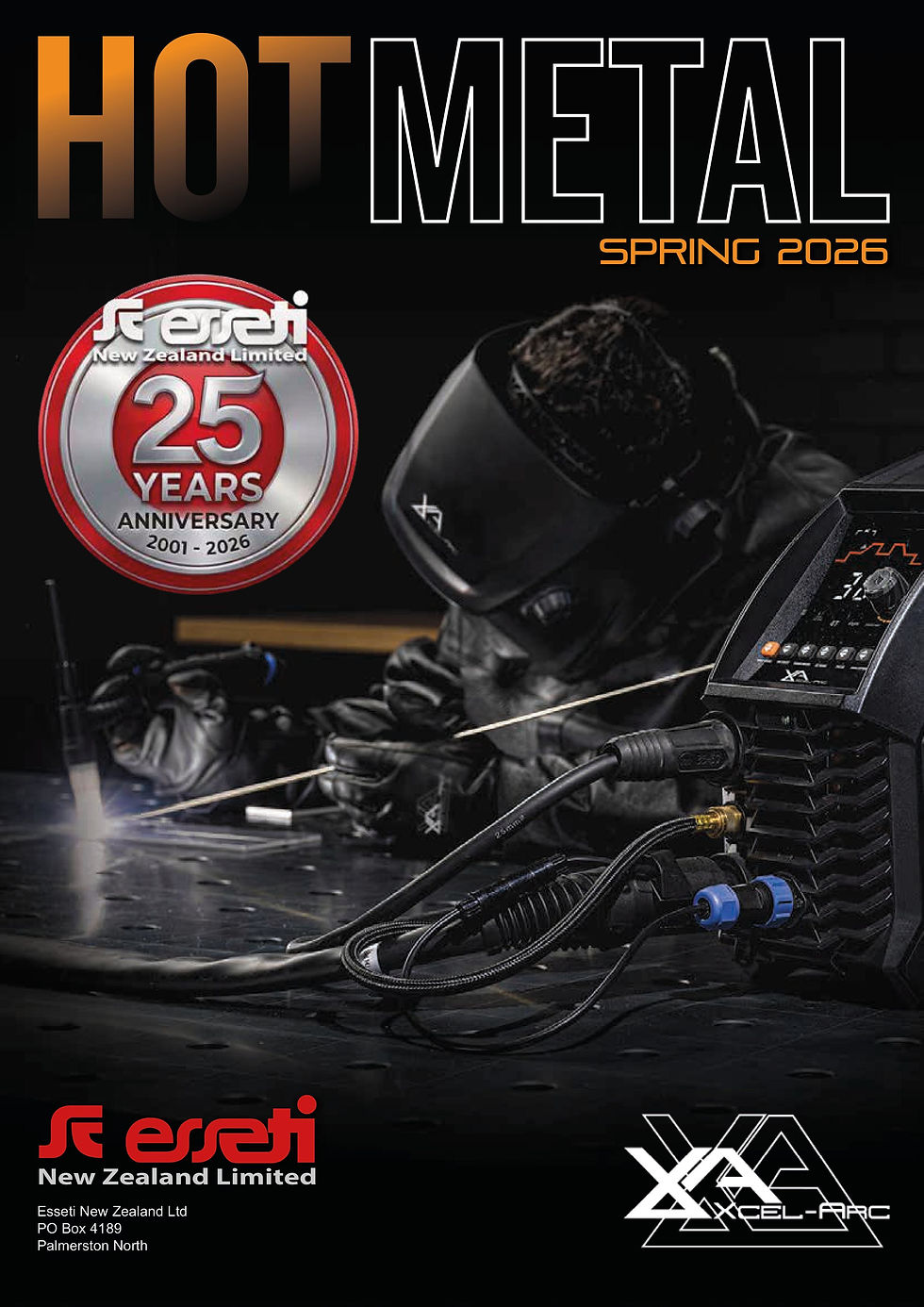
We have welding nights on site (keep any eye on our website for dates) where you can have a try yourself under supervision of a qualified engineer or our fantastic rep from https://www.xcelarc.nz/
For professional courses try https://www.sit.ac.nz/programme/course/beginners-improvers%20welding
Comparing MIG and Stick Welding for Beginners
If you’re still unsure which machine to start with, here’s a quick comparison:
| Feature | MIG Welding | Stick Welding
|------------------- -------------------------------- ---------------------------------
| Ease of Use Easier for beginners Requires more practice
| Outdoor Use Not ideal in wind Works well outdoors
| Metal Types Thin to medium metals Thick, rusty, or dirty metals
| Cleanliness Cleaner welds, less slag More slag and smoke
| Cost of Gear Slightly higher upfront Usually cheaper machines
Final Thoughts on Choosing Welding Gear
Choosing the right welding gear sets you up for success.
Start by picking the welding type that fits your projects.
Then, get a machine that matches your skill level and work environment.
Don’t forget safety gear — it’s essential.
Welding is a skill that grows with practice and the right tools. Take your time, stay safe, and enjoy the process of building and fixing with confidence.

Ready to get started?
Come pay us a vist at Gas and Tool Direct (16 Surrey Street, Gore) to find what suits your needs.


Comments